Cute Animals in Christmas Box Illustrations
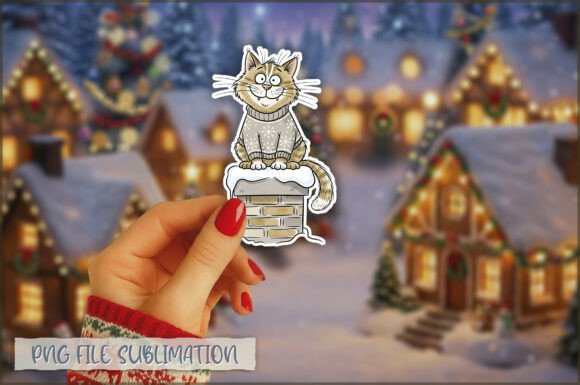
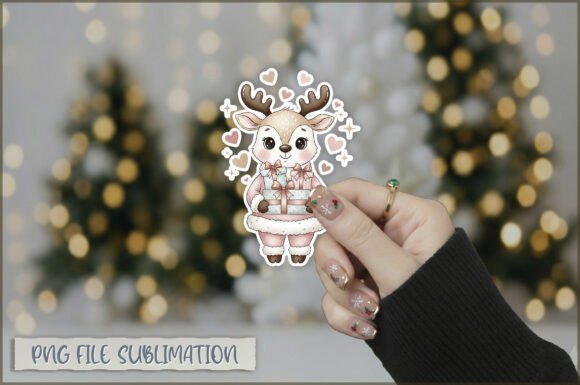
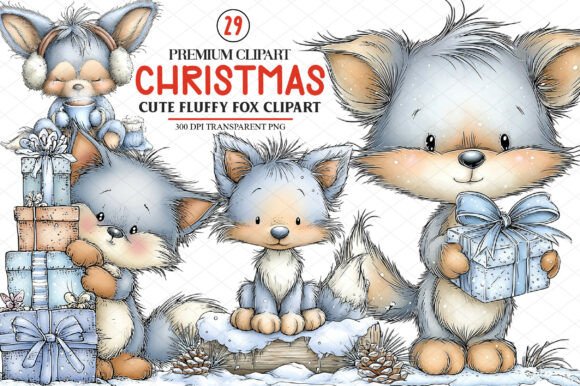
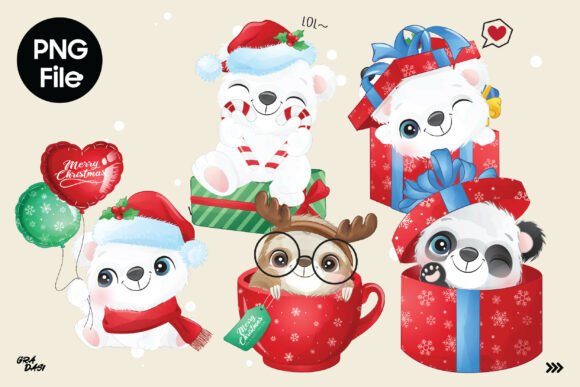
As a digital publisher who has spent years refining the visual architecture of content websites, I know that first impressions are not just about headlines; they are about the immediate emotional connection a reader feels before they even read a single word. When I stumbled upon Cute Animals in Christmas Box, it wasn’t just another decorative clip art file that sat unused in my asset library. It was a strategic graphic design asset that immediately signaled warmth, playfulness, and seasonal cheer. For bloggers, affiliate marketers, and online educators looking to inject personality into their content marketing strategy, this piece offers more than just aesthetics—it offers editorial cohesion.
The Editorial Mood and First Impressions
The moment you drag this Illustrations pack into your workspace, the mood shifts. The design avoids the cluttered, overly busy look that often plagues low-quality free graphics. Instead, it presents a clean, modern design aesthetic that feels both nostalgic and contemporary. The "cute" factor is handled with sophistication, making it suitable for a wide range of audiences, from lifestyle bloggers targeting young mothers to educational platforms aiming for a friendly, approachable tone.
In terms of brand identity, this asset supports a visual system that values trust and relatability. Readers are drawn to content that feels human and inviting. By using Cute Animals in Christmas Box, you are signaling that your brand is accessible and joyful. This is particularly effective during the holiday season when user intent shifts toward gift-giving, family activities, and comfort. Whether you are running an affiliate marketing campaign for holiday toys or publishing a cozy winter recipe guide, this imagery aligns perfectly with the psychological state of your audience.
Real-World Publishing Applications
I do not believe in assets that sit idle. Every design asset should earn its place by driving engagement. Here is how I have integrated this specific illustration set into real publishing workflows:
- Pinterest Pin Design: Pinterest is a visual search engine, and vertical graphics with clear, charming subjects perform exceptionally well. These animals provide a focal point that stops the scroll. You can overlay text like "Holiday Gift Guide" or "Cozy Winter Activities" over the negative space in these illustrations to create high-click-through-rate pins.
- Newsletter Headers: Email open rates depend heavily on subject lines, but click-through rates depend on the body content. A festive header featuring these cute animals can break up text blocks and add a touch of personality to your weekly digest. It transforms a standard newsletter into a curated experience.
- Digital Guides and Lead Magnets: If you are creating a downloadable PDF, such as a "Holiday Activity Planner" or a "Seasonal Wellness Checklist," using these illustrations on the cover page adds perceived value. It signals that the content inside is thoughtfully designed and worth downloading.
- Blog Featured Images: Consistency is key for website branding. Using a consistent style of illustrations across your featured images helps readers instantly recognize your content in feed aggregators or social media shares. This asset provides that consistency with a seasonal twist.
- Social Media Graphics: For Instagram stories or Facebook posts announcing holiday sales or events, these graphics offer a ready-made composition that requires minimal editing. They are perfect for small business branding where time is scarce but quality cannot be compromised.
Supporting Content Performance
Visual hierarchy is the backbone of effective web design. When you use Cute Animals in Christmas Box, you are leveraging the natural human tendency to focus on faces and expressive figures. The animals draw the eye, guiding the reader toward your call-to-action or main headline. This subtle guidance can improve reader trust because the content feels polished and professional rather than thrown together.
Furthermore, consistent use of high-quality creative design elements reinforces your authority in your niche. A site that looks cohesive is perceived as more trustworthy. By integrating these illustrations into your editorial design workflow, you elevate the overall production value of your articles, making them feel like premium publications rather than casual blogs.
Strategic Placement and Best Practices
To get the most out of this asset, you must place it strategically. It works best in areas where you want to evoke emotion or soften a technical message.
- Hero Images: Use large versions of these illustrations as background elements or side-by-side with your main headline to create an inviting entry point for new visitors.
- Category Thumbnails: If you have a "Holiday Crafts" or "Gift Ideas" category, use distinct variations of these animals as icons or thumbnails. This aids in category recognition and helps users navigate your site intuitively.
- Downloadable Printables: For parents or teachers looking for printable design resources, these illustrations are ideal for coloring pages, reward charts, or holiday cards. They bridge the gap between digital consumption and physical interaction.
- Media Kits: If you are pitching collaborations with brands, including a media kit with a cohesive visual theme that includes these illustrations shows attention to detail and creative capability.
Where to Use With Caution
No single asset fits every scenario. While Cute Animals in Christmas Box is versatile, there are contexts where it may not be appropriate. Avoid using these playful graphics in serious professional niches, such as corporate finance, legal advice, or medical research, unless you are specifically addressing a light-hearted sub-topic. The contrast between the serious subject matter and the cute visuals could undermine your credibility.
Additionally, be mindful of mobile screens. Small thumbnails can lose detail if the illustration is too intricate. Test your designs on actual mobile devices to ensure the animals remain recognizable and the text remains readable. Also, avoid placing these graphics on busy backgrounds with low contrast, as this will make the image muddy and unprofessional.
Practical Publisher Notes for Implementation
Before deploying these assets live, follow this checklist to ensure technical excellence:
- Responsive Testing: Always preview your blog layout on desktop, tablet, and mobile. Ensure the illustrations scale correctly without pixelation or awkward cropping.
- Font Pairing: Experiment with typography. These illustrations pair beautifully with bold sans-serif fonts for modern headlines, or elegant serif fonts for a more traditional editorial look. Try them alongside script or handwritten fonts for a personal, crafty vibe.
- Contrast and Readability: Check that any text overlaid on the images meets accessibility standards. Use semi-transparent overlays if necessary to ensure white or dark text pops against the colorful background.
- File Size Optimization: Web performance is critical for SEO. Compress your images properly using tools like TinyPNG or Squoosh to reduce file size without sacrificing quality. Large images slow down load times, which hurts your rankings.
- Licensing Verification: Confirm your commercial license before using these assets on monetized websites, affiliate pages, or paid digital products. Ensure you are compliant with the terms of use for commercial design purposes.
In conclusion, Cute Animals in Christmas Box is more than just a seasonal decoration; it is a powerful tool for enhancing visual communication in digital publishing. By integrating these Illustrations thoughtfully into your web design and content marketing strategy, you can create a more engaging, trustworthy, and visually appealing experience for your audience. Whether you are updating your Canva template library or refreshing your website header, this asset offers the polish and charm needed to stand out in a crowded digital landscape.