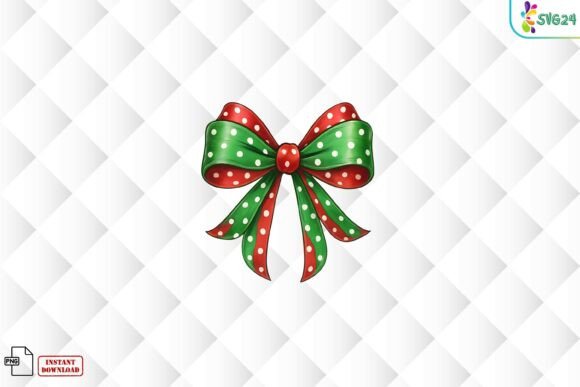
Christmas Polka Dot Bow PNG Review
As a designer who spends half my day staring at digitized files and the other half troubleshooting tension issues on the sewing machine, I have learned to be skeptical of anything that looks too perfect on screen. There is a distinct difference between a graphic that looks good in a vector program and one that actually translates well into thread. Today, I am breaking down the Christmas Polka Dot Bow PNG, not just as a static image, but as a potential asset for your next embroidery project. Whether you are an Etsy seller looking for your next bestseller or a hobbyist preparing holiday gifts, understanding how this design behaves under the needle is crucial.
The First Impression: Mood and Visual Personality
When you first load the Christmas Polka Dot Bow PNG into your digitizing software, the immediate takeaway is its playful yet classic aesthetic. The polka dot pattern introduces a sense of whimsy that breaks away from the traditional heavy brocade or velvet textures often associated with Christmas motifs. It feels light, festive, and approachable. This is not a design that screams "formal gala"; it whispers "cozy kitchen" and "bright morning coffee."
The shape itself is balanced. A bow of this nature relies heavily on symmetry and flow. In the digital preview, the loops appear generous, suggesting that once stitched, the design will hold its structure well without collapsing into a flat mess. The visual personality here is key—it bridges the gap between modern minimalist decor and nostalgic holiday charm. For designers, this versatility is gold. It allows you to target multiple customer segments, from those buying trendy boutique items to those seeking traditional family keepsakes.
Real-World Application: Where Does This Design Shine?
I recently tested this concept on a custom embroidered tote bag made from sturdy canvas. The result was striking. The contrast between the rigid fabric texture and the soft, rounded curves of the bow created a tactile appeal that photographs beautifully. This makes it an ideal candidate for tote bag design projects, which remain staples in the craft business world.
Beyond bags, I see this embroidery file performing exceptionally well on apparel. Imagine this placed on the chest of a white or cream-colored sweatshirt. The polka dots catch the light differently depending on the thread sheen, adding depth to what could otherwise be a simple garment. It works equally well as a focal point on baby clothes, where the softer aesthetic aligns perfectly with nursery themes. For holiday embroidery projects, placing this on a tea towel or kitchen apron adds a touch of seasonal cheer to everyday tasks.
If you are running a small shop product line, consider the embroidered patch angle. This design translates cleanly into a patch format, allowing customers to add a personal touch to denim jackets or beanies. The clean lines of the bow mean it won’t get lost in the stitching, making it a reliable choice for commercial embroidery orders where consistency is paramount.
Technical Considerations and Stitch Behavior
Every machine embroidery design has its limits, and understanding them prevents costly mistakes. The stitch density of this bow needs careful attention. While the polka dots suggest fill areas, if the digitization is too dense, the fabric may pucker, especially on lighter materials. Conversely, if it is too sparse, the stabilizer might show through. When reviewing any digital embroidery file, always inspect the stitch direction changes. Smooth transitions are essential for maintaining the graceful drape of the bow tails.
Thread color selection is another critical factor. The polka dot pattern relies on contrast. If you use low-contrast threads, the design will lose its definition. I recommend testing high-contrast combinations, such as deep red with white dots, or forest green with silver accents. Always check thread colors against your actual fabric swatches before committing to a full production run. What looks vibrant on a monitor can appear muddy on cotton.
Furthermore, consider the hoop size. If you plan to embroider this on smaller items like caps or hats, ensure the design fits within your standard hoop dimensions without requiring excessive re-hooping. Re-hooping can lead to alignment issues, particularly with symmetrical designs like bows. If the design is large, it might be better suited for larger garments or home decor items like pillow covers, where the scale feels intentional rather than cramped.
Where to Exercise Caution
Not every surface is suitable for this design. I would advise against using this applique design style on highly textured fabrics like chunky knits or bouclé, as the details may become obscured. Similarly, stretchy fabrics require a robust stabilizer solution; otherwise, the tension of the stitches can distort the bow’s shape over time. Dark fabrics can also pose a challenge unless you are using bright, opaque threads, as darker threads may absorb into the background, reducing visibility.
For products that need frequent washing, such as custom apparel or kitchen towels, ensure the backing is secure. Loose ends or insufficient anchoring stitches can lead to fraying after a few cycles. This is especially important for personalized gift items, where durability directly impacts customer satisfaction and reviews.
Impact on Branding and Customer Perception
In the world of handmade products, presentation is everything. A well-executed embroidery design signals professionalism and care. Using a cohesive theme like the Christmas Polka Dot Bow PNG helps establish brand consistency. If your shop focuses on festive, cheerful aesthetics, this design reinforces that identity. It tells the buyer that you understand their desire for something cute but not overly childish.
From a marketing perspective, this design is highly photogenic. Printable mockups featuring this bow will likely attract clicks due to its clear, recognizable shape. Customers engage more with designs they can instantly identify and emotionally connect with. The simplicity of the bow, combined with the patterned detail, strikes a balance that appeals to a broad audience. It is sophisticated enough for adult buyers yet fun enough for children, expanding your potential market reach.
Practical Designer Notes for Success
Before you start producing, follow these steps to ensure quality:
- Test on scrap fabric: Never assume a design will work on your final material. Test it on the exact fabric and stabilizer combination you plan to use.
- Check black and white mockups: Convert your design to grayscale to ensure the contrast levels are sufficient for stitching clarity.
- Inspect small details: Zoom in on the polka dots. Are they distinct? Will they merge together during stitching?
- Confirm licensing: Always review the terms of use. Ensure you have the right to sell finished products made with this design assets package.
- Use proper stabilizer: The right stabilizer can make or break a project. Cut-away stabilizers are generally recommended for woven fabrics to provide long-term support.
Ultimately, the Christmas Polka Dot Bow PNG is a versatile and charming addition to any designer’s library. It offers a fresh take on holiday motifs while remaining practical for mass production or one-off custom orders. By paying attention to stitch density, thread choice, and fabric compatibility, you can transform this digital file into a stunning finished product that delights customers and stands out in a crowded marketplace. Whether you are creating craft business inventory or special holiday gifts, this design provides a solid foundation for success.